Our Story
Fire and Water
Long before Escondido ever hosted a celebration, the valley where this annual festival now takes place was home to the Luiseño and Kumeyaay people, who lived on and cared for this land for thousands of years.
In the mid-1880s, the Escondido Land and Town Company purchased the Rancho Rincón del Diablo and began laying out the town that would grow into modern-day Escondido. In those early years, rich soil and sunny skies quickly made it obviouse that agriculture would be the heart of the community. Vineyards, orchards, and farms quickly spread across the valley, shaping both the landscape and the local economy. But the young town faced a serious challenge, there was no reliable water source to support its growing farms and families. Determined to secure the future of their community, the citizens of Escondido took out loans to build a dam that would bring water to the thirsty valley.
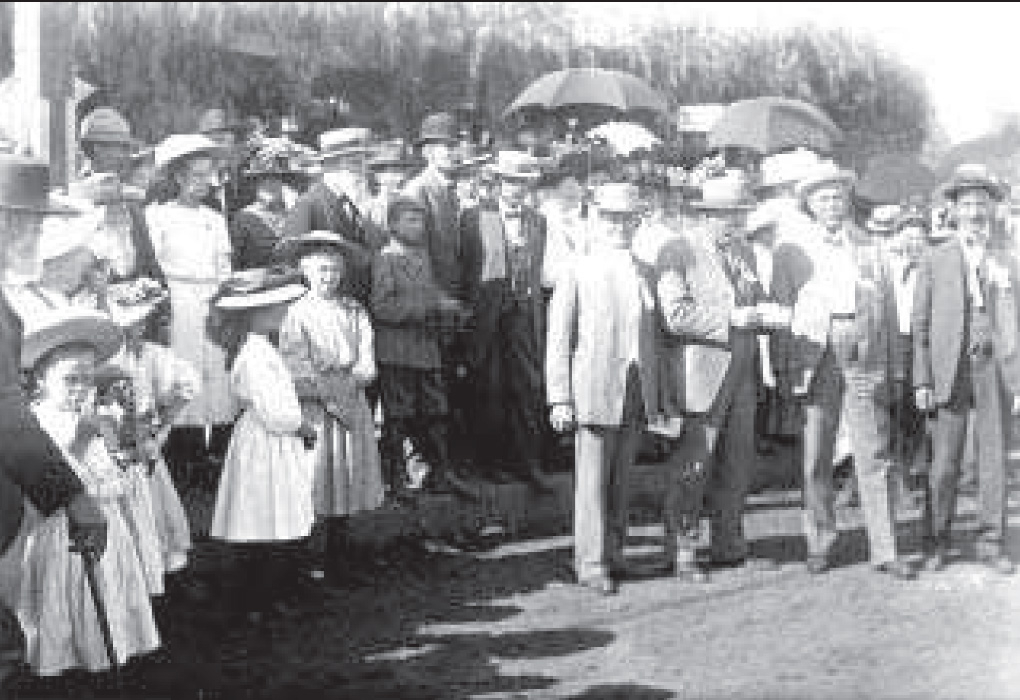
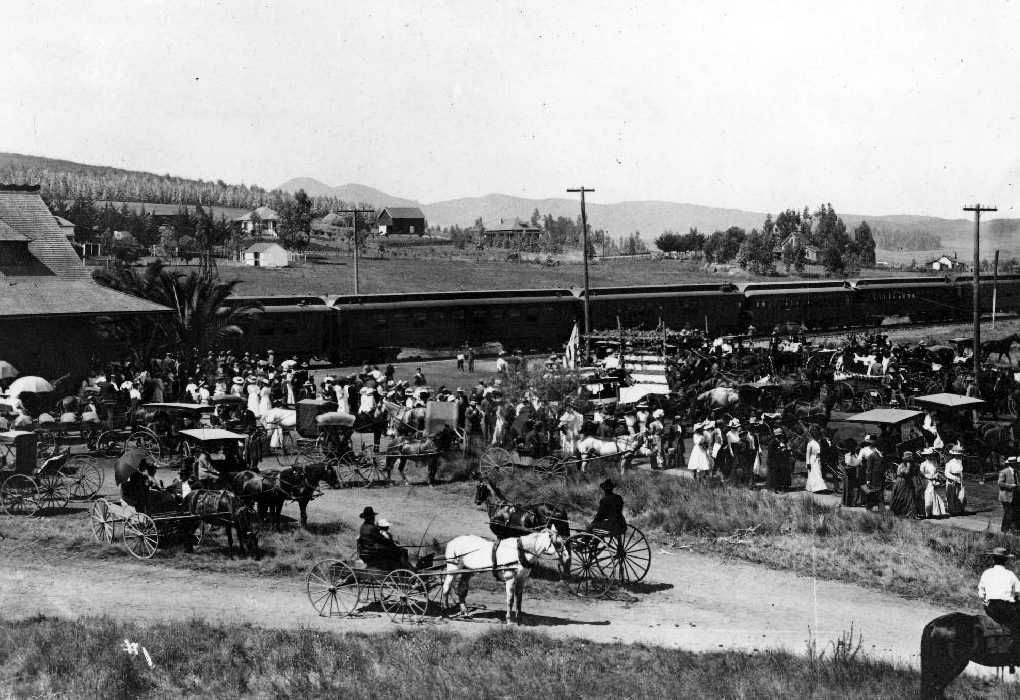
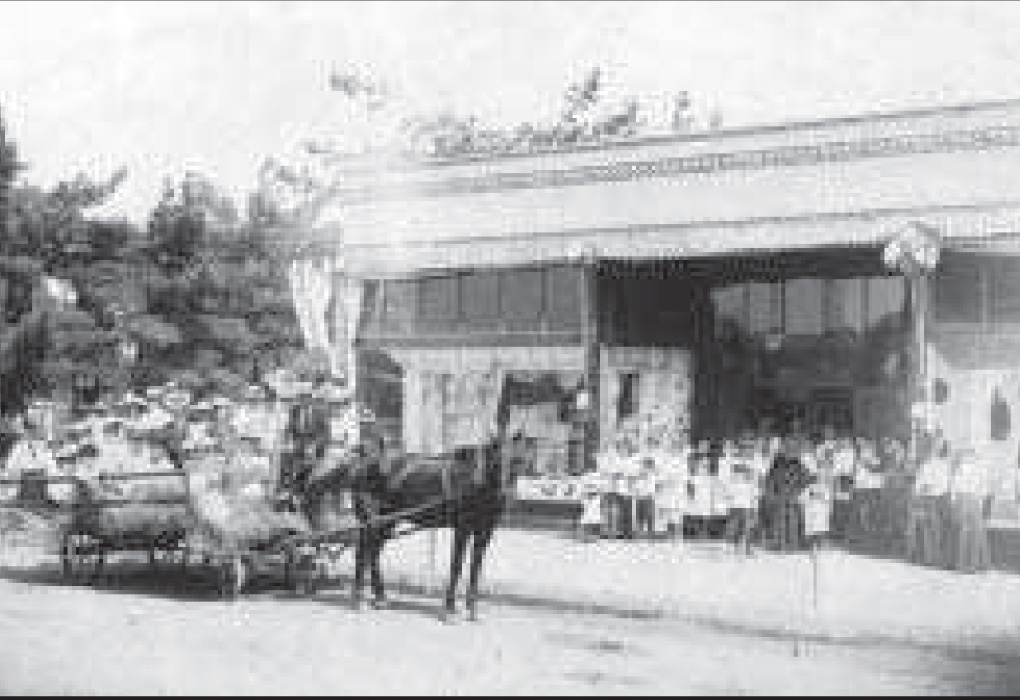
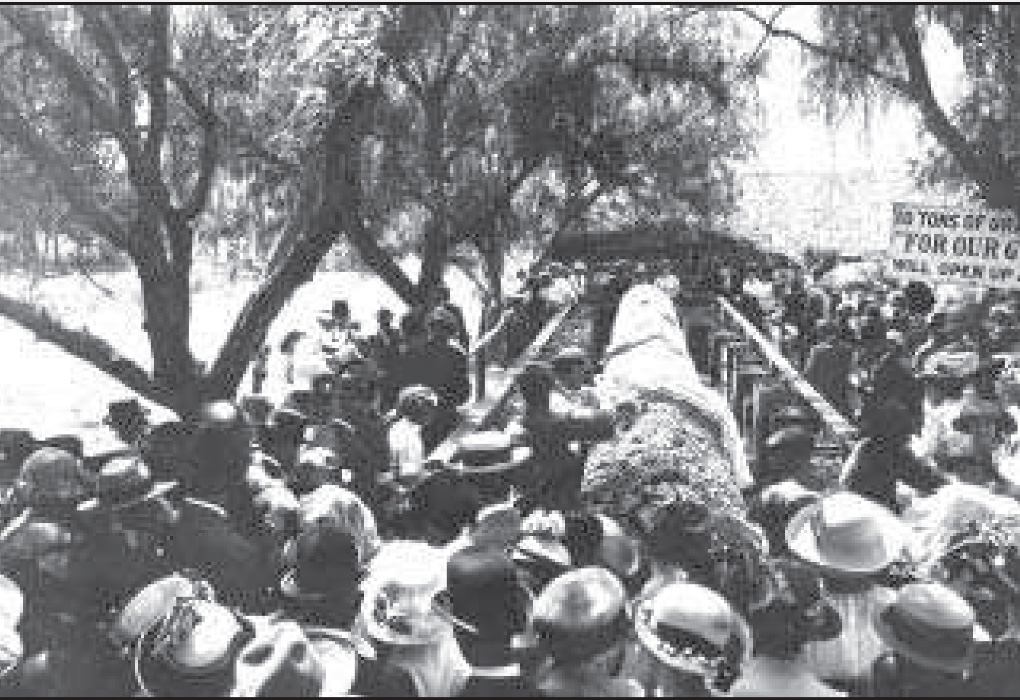
When the final debt was settled, the town celebrated in a truly memorable way. In 1907, residents gathered in front of Lime Street School for “Bond Burning Day,” where the bonds were ceremoniously burned, marking the community’s freedom from debt and a bright future ahead.
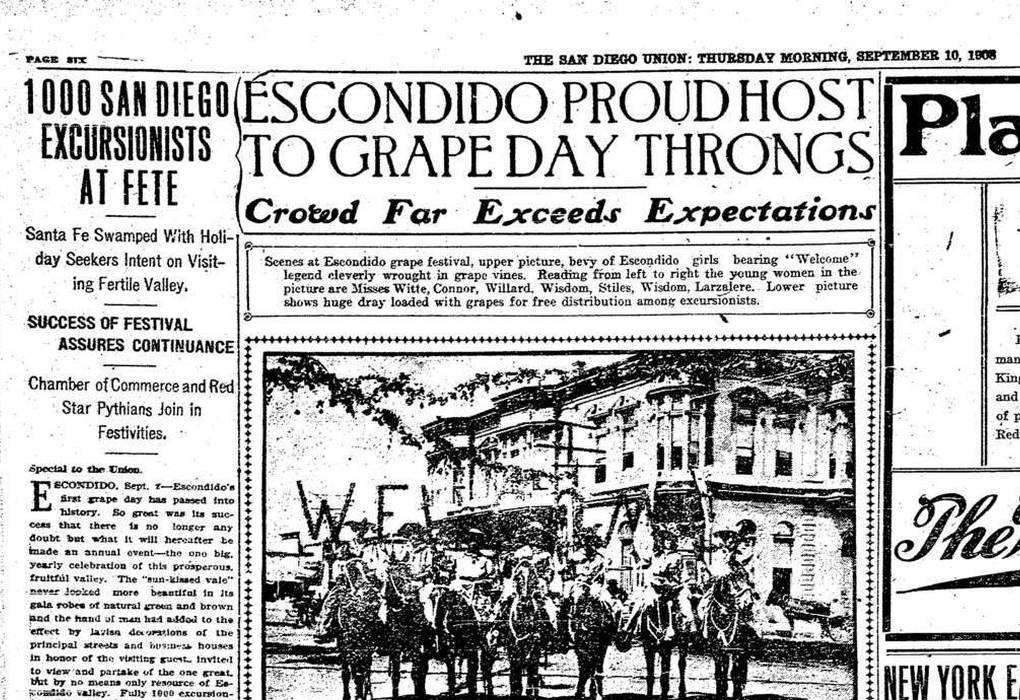
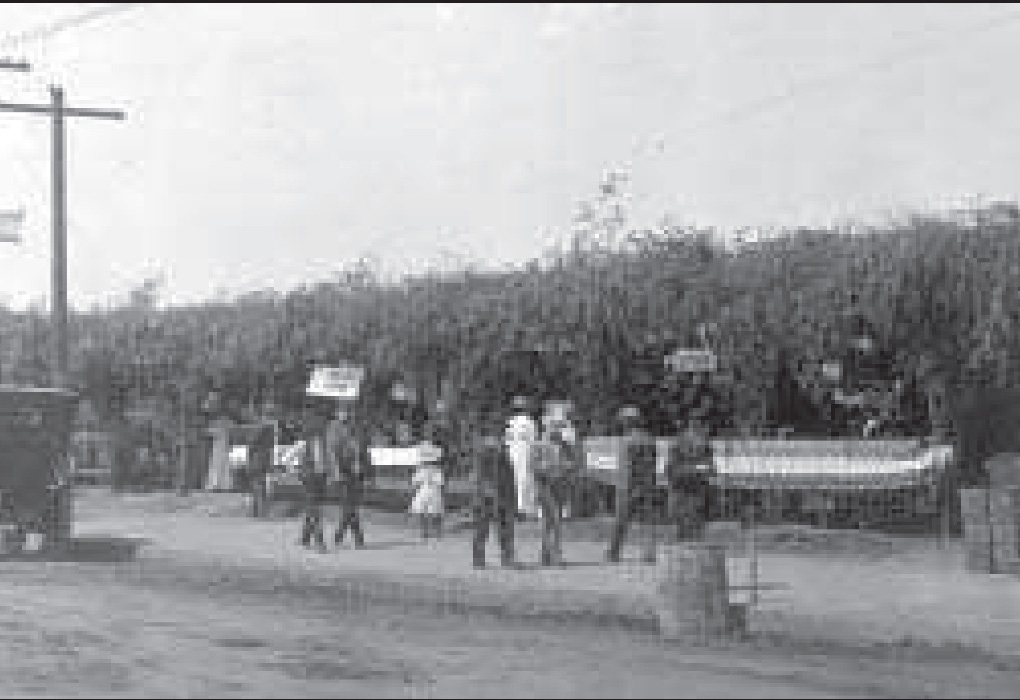
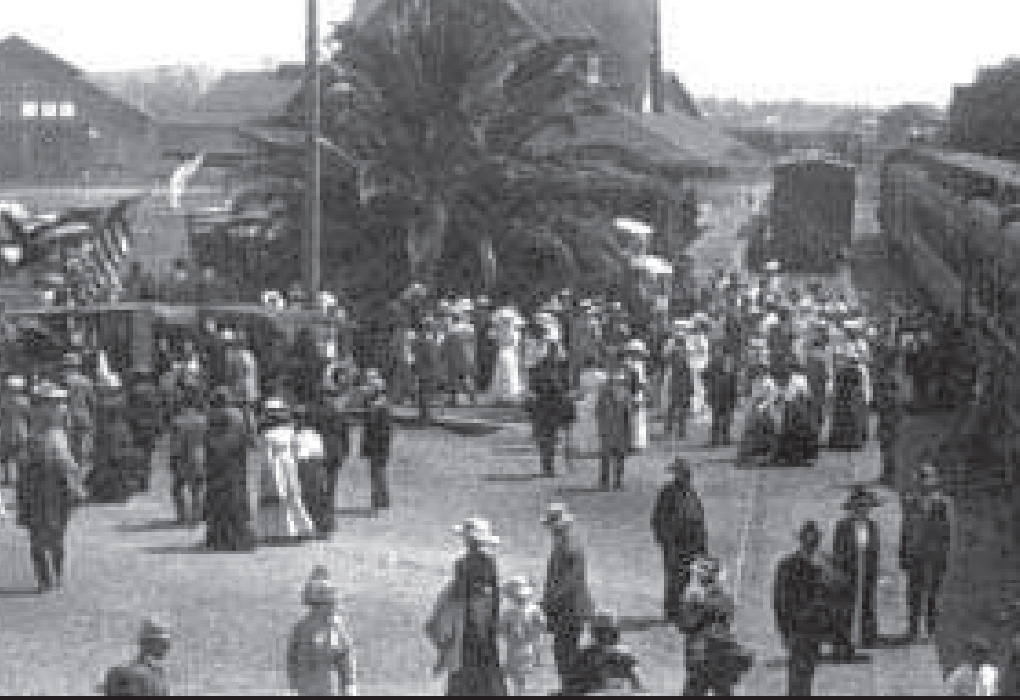
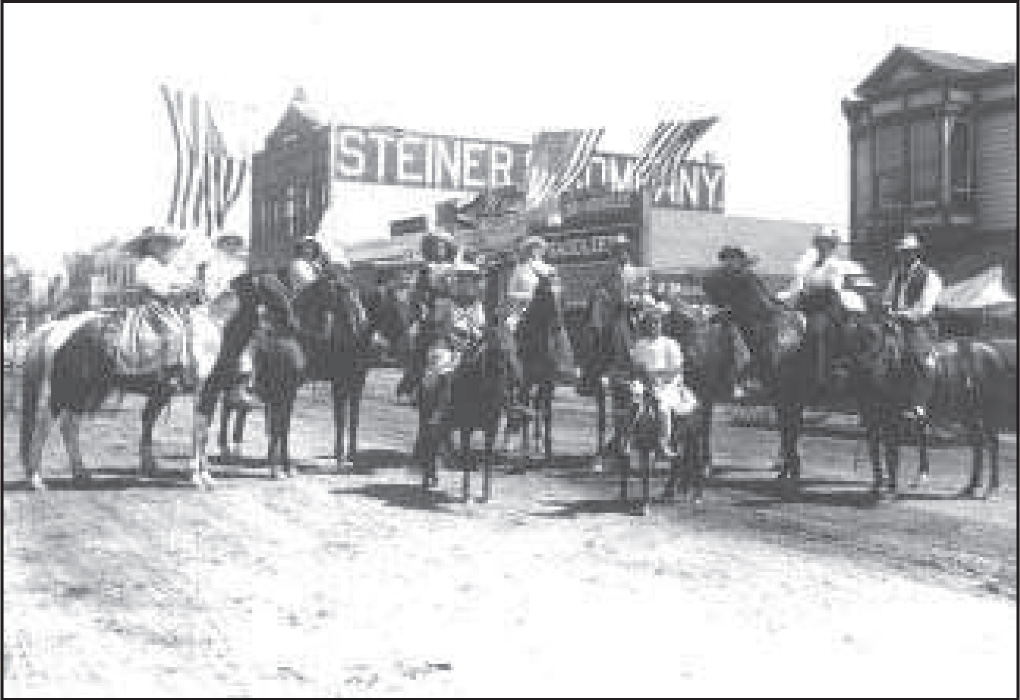
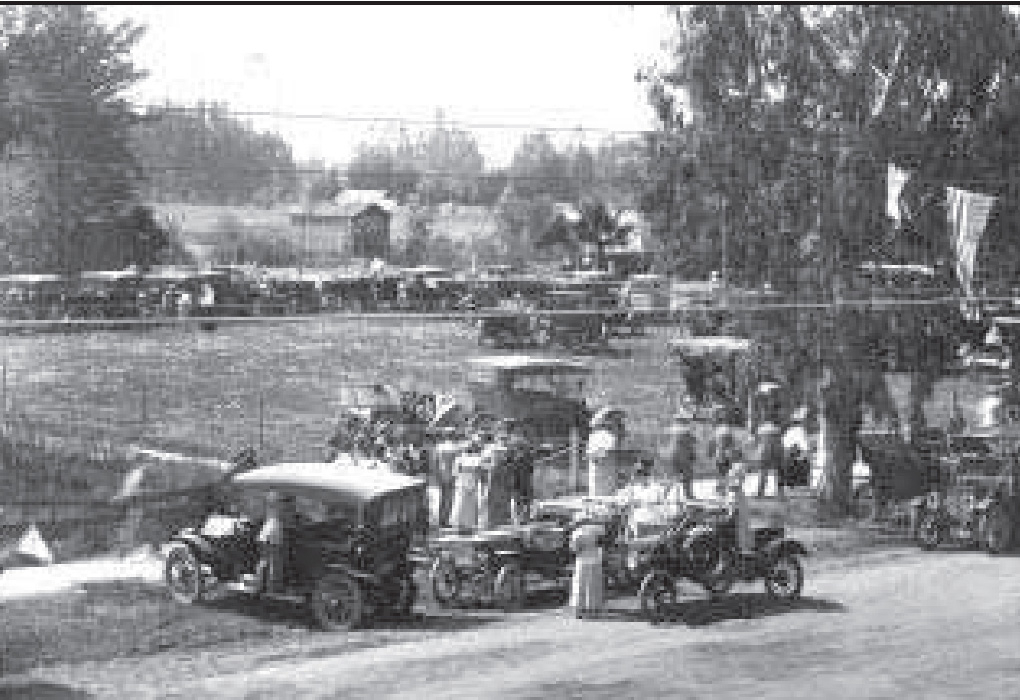
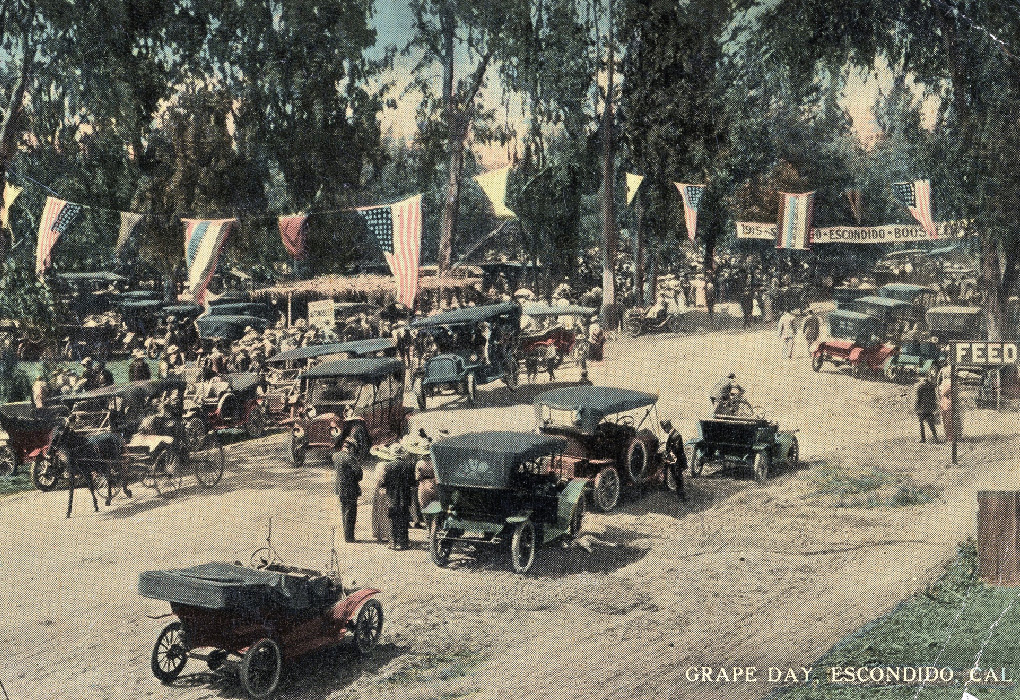
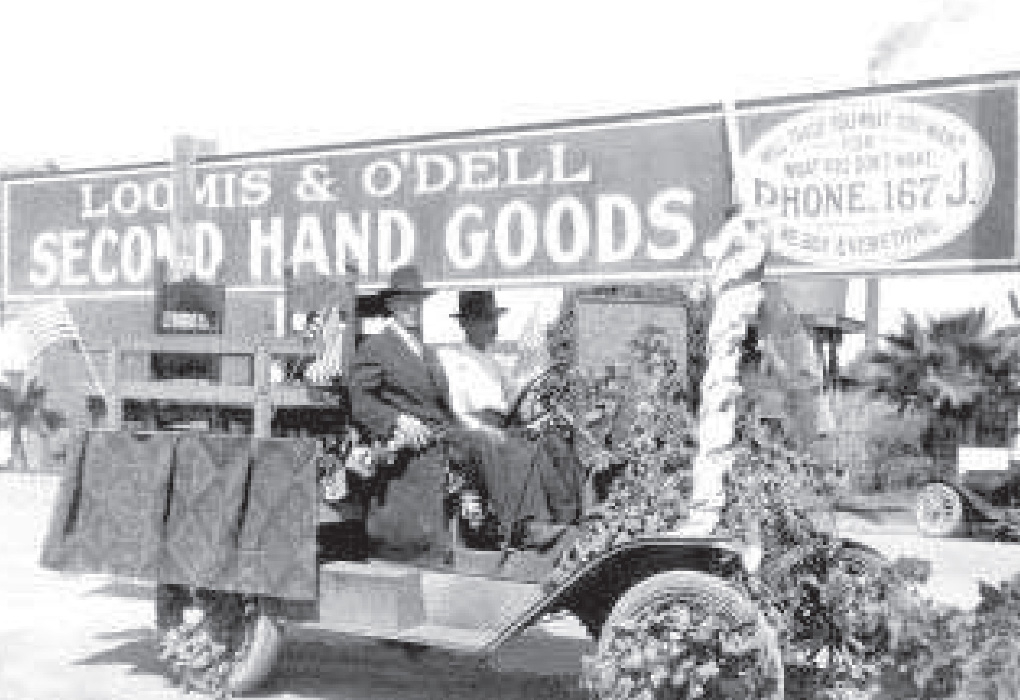
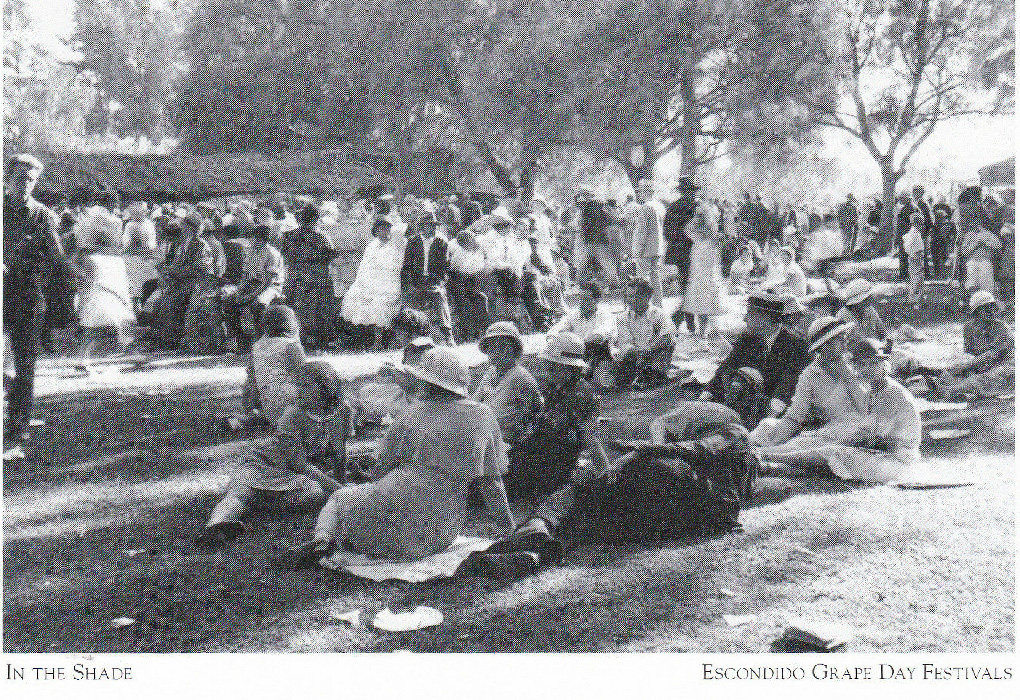
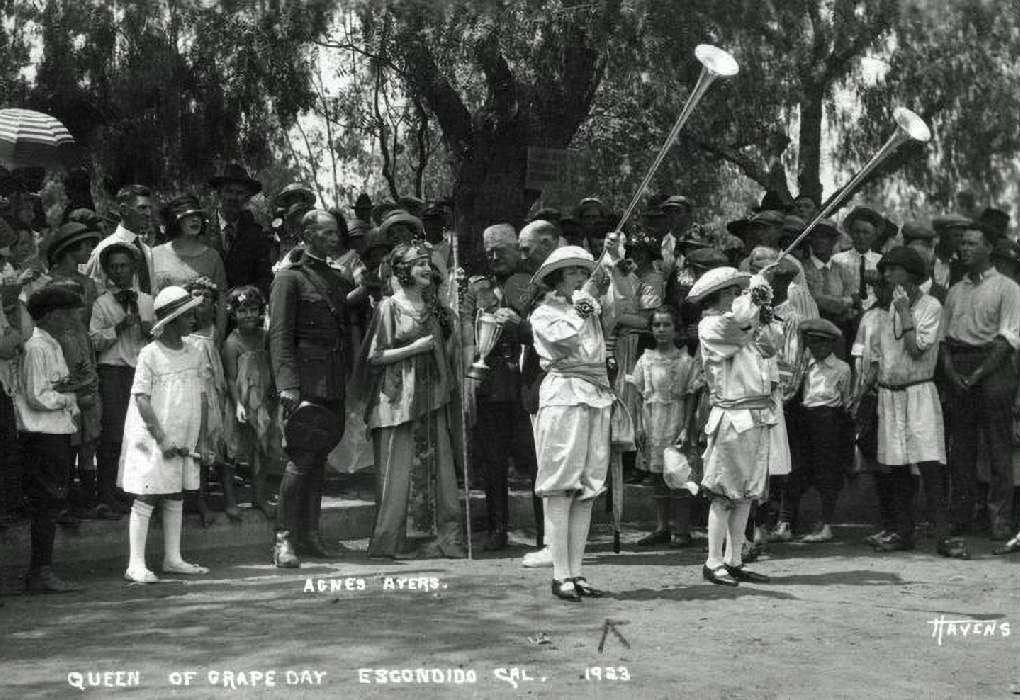
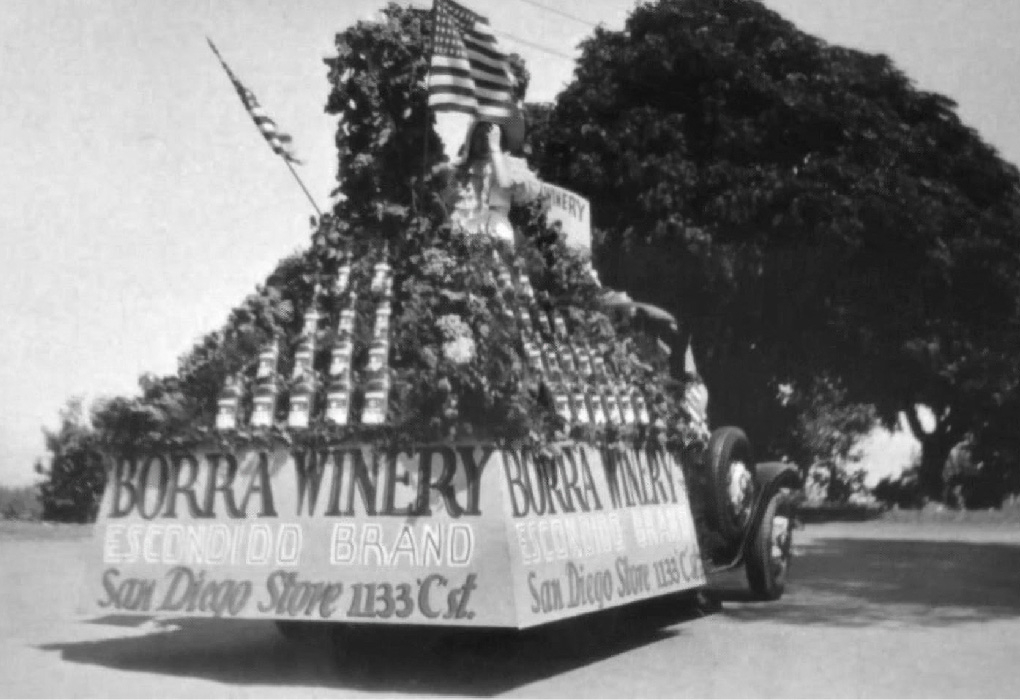
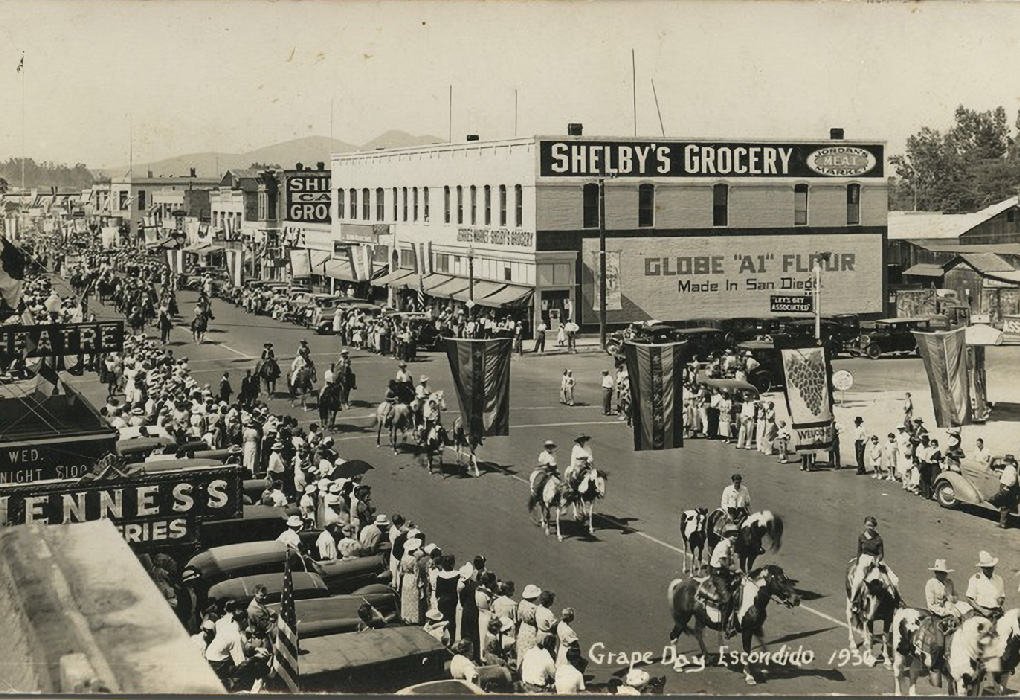
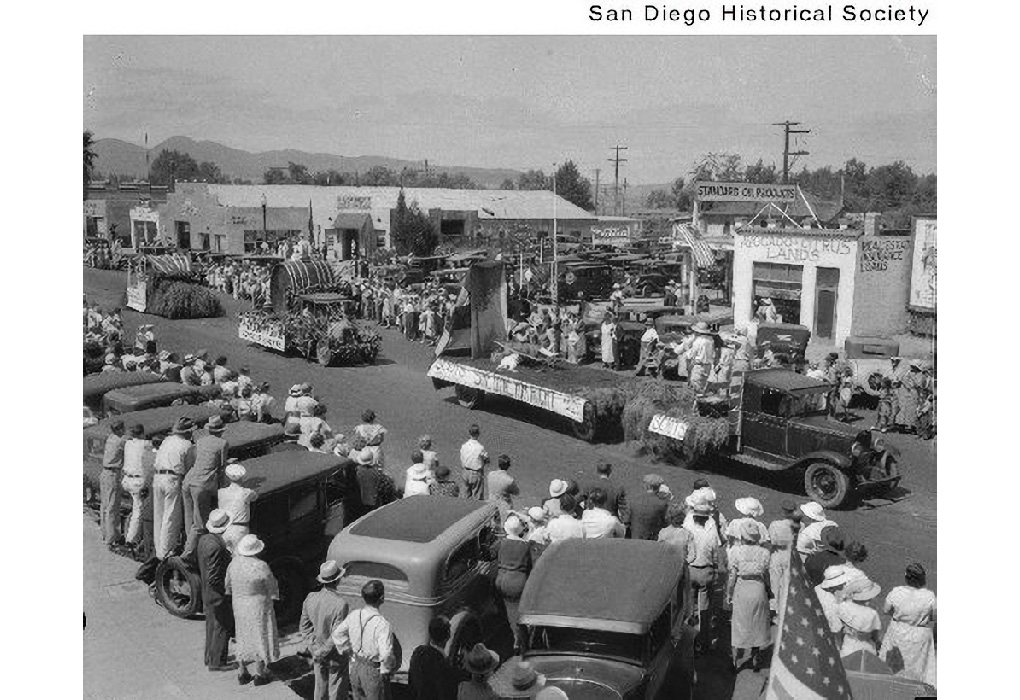
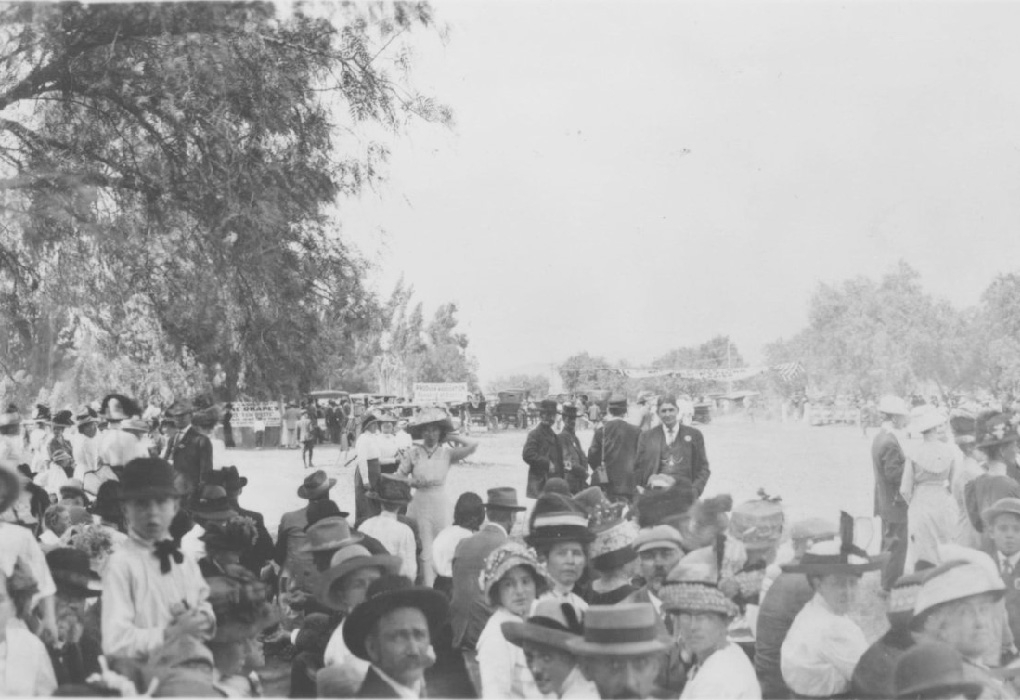
That spirit of celebration soon blossomed into a new tradition. The following year, Escondido held its very first official Grape Day Festival. This lively gathering honored the valley’s thriving vineyards, agricultural heritage, and the hardworking people who helped the town flourish. Hundreds of visitors traveled from across the county to join the festivities, beginning a celebration that would become one of Escondido’s most cherished traditions.
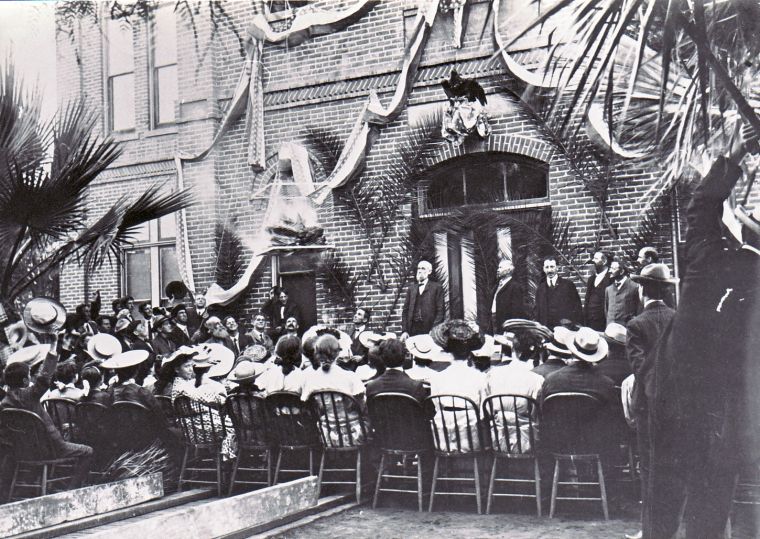
Bond Burning Day at the Lime St. School located in Grape Day Park, 1907
A Cherished Tradition
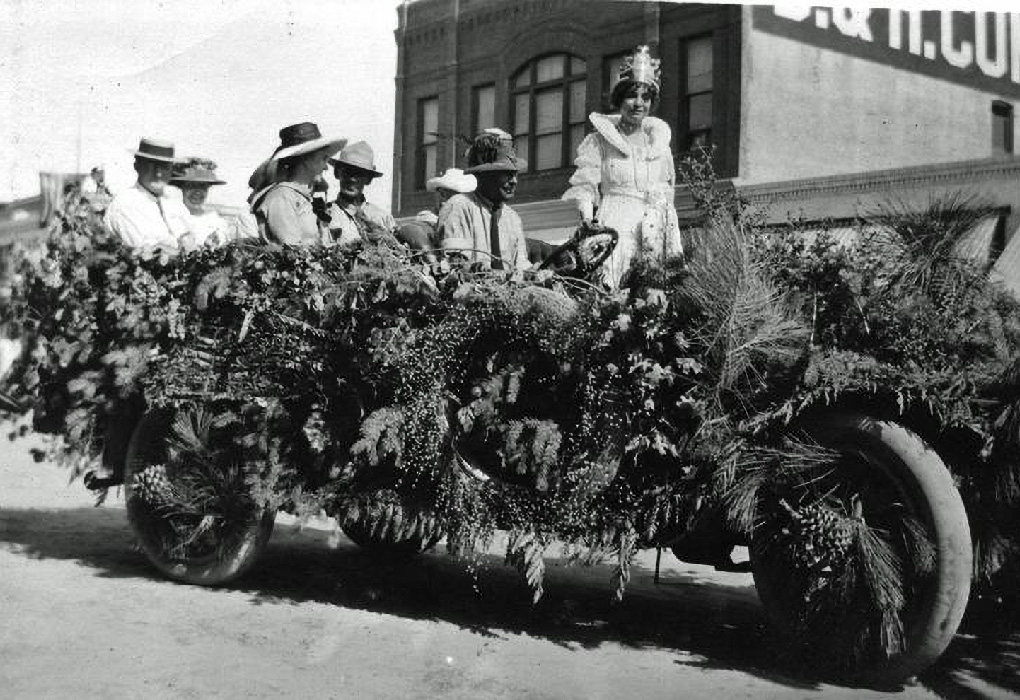
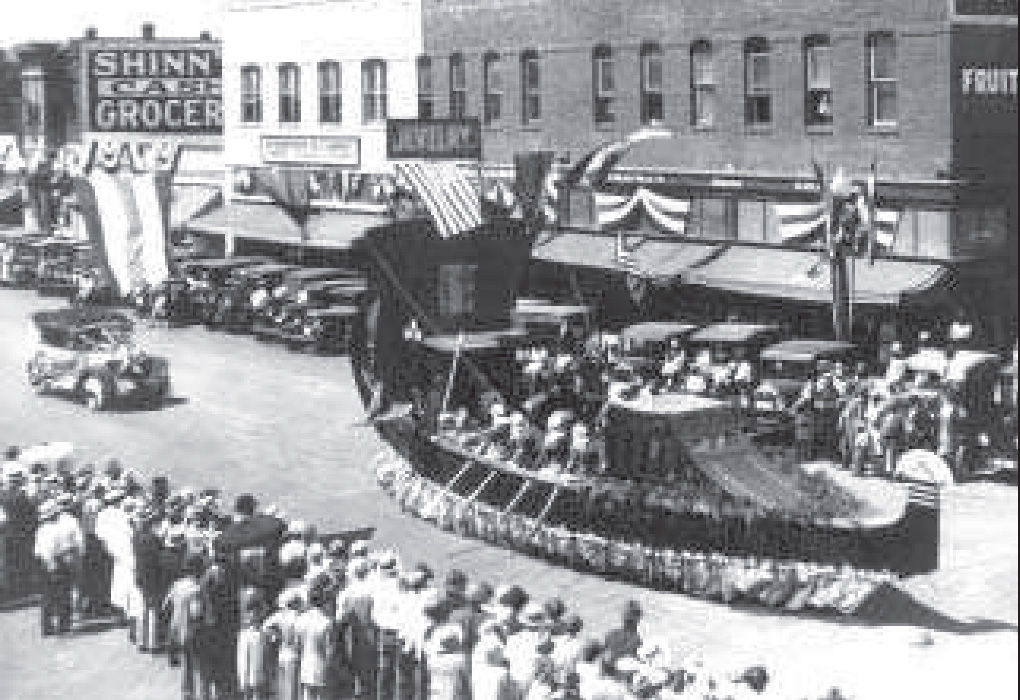
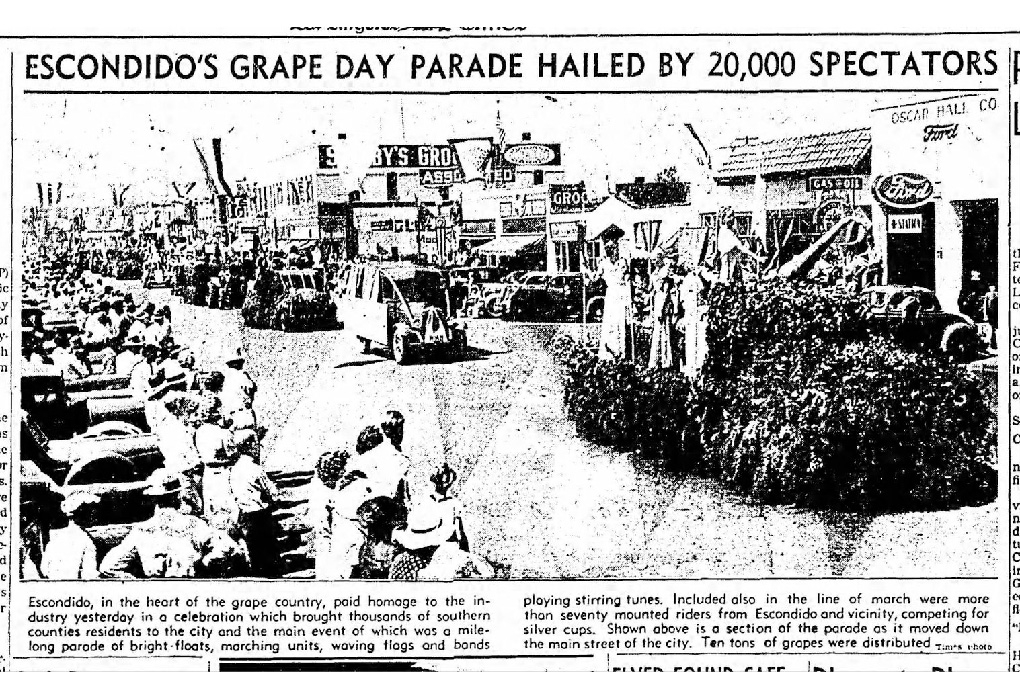
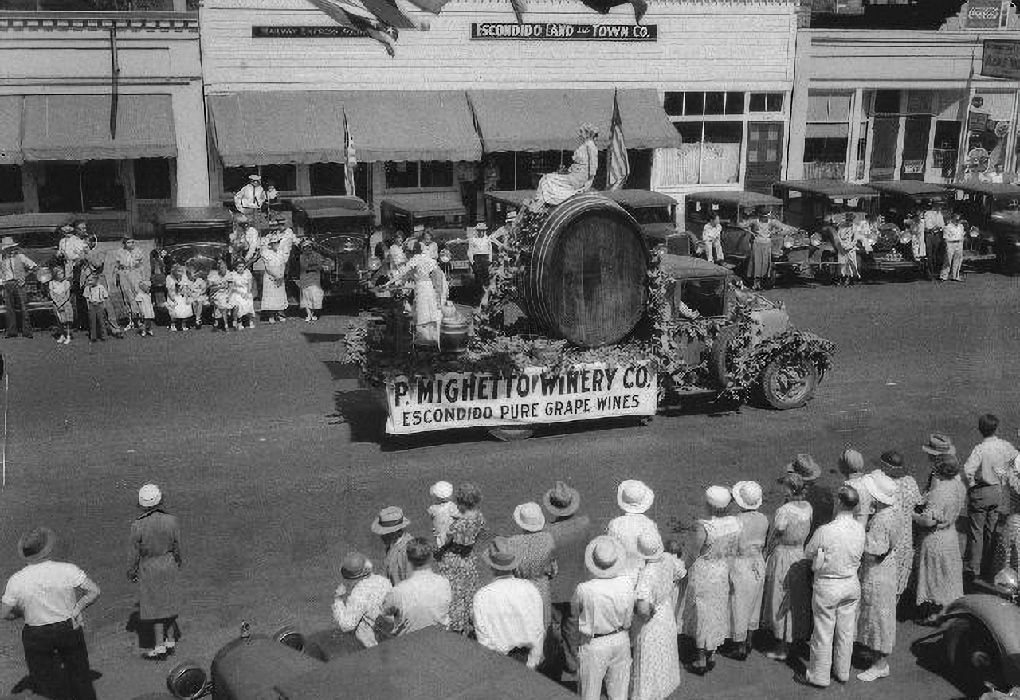
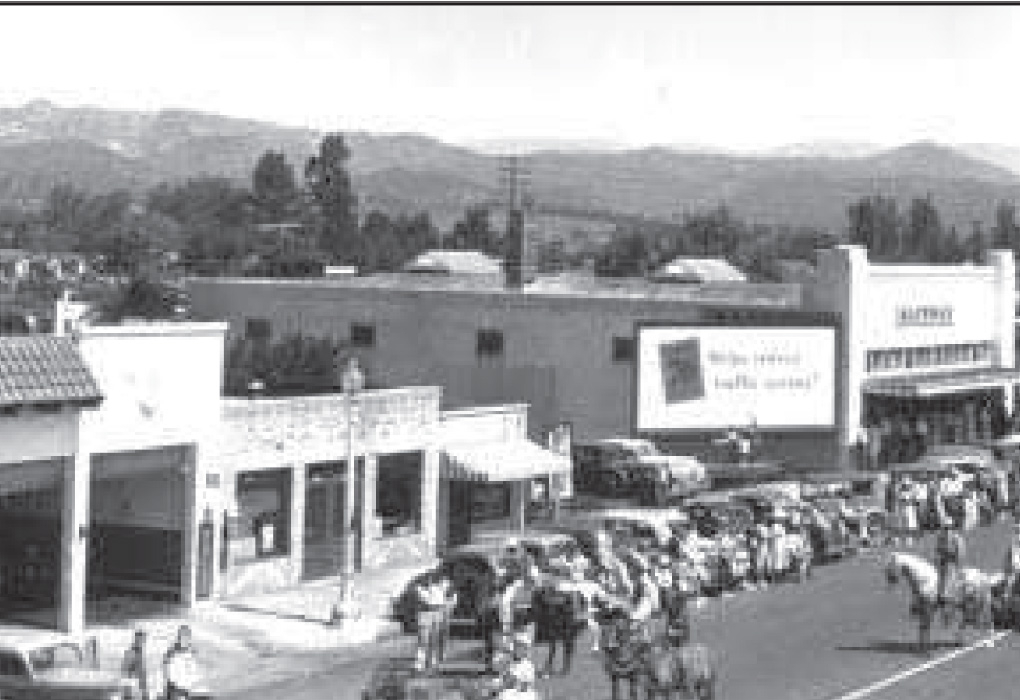
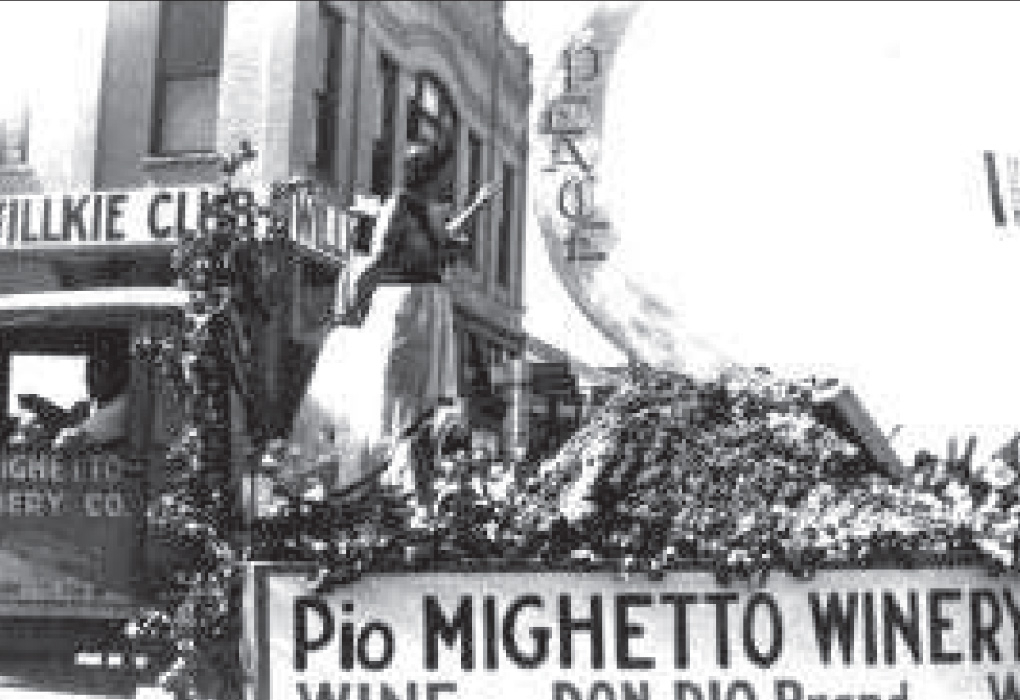
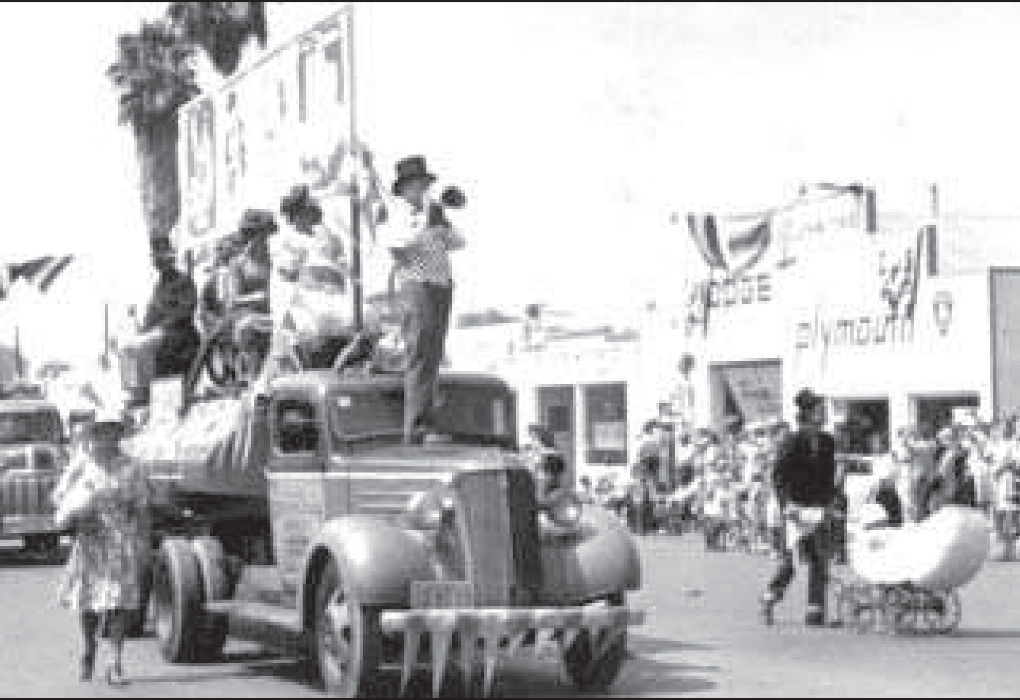
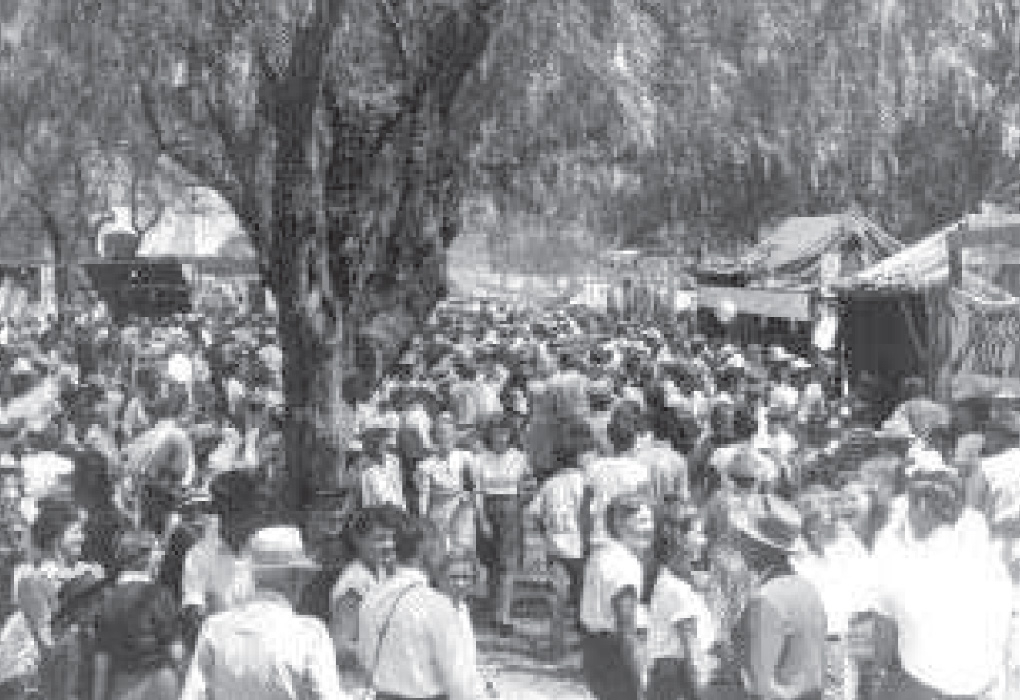
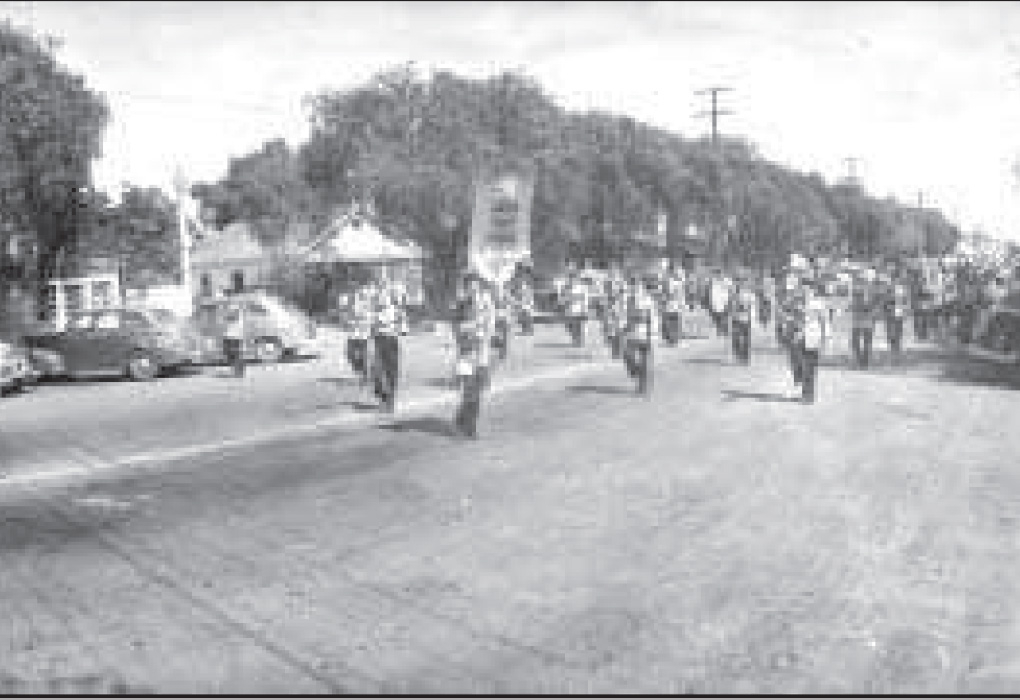
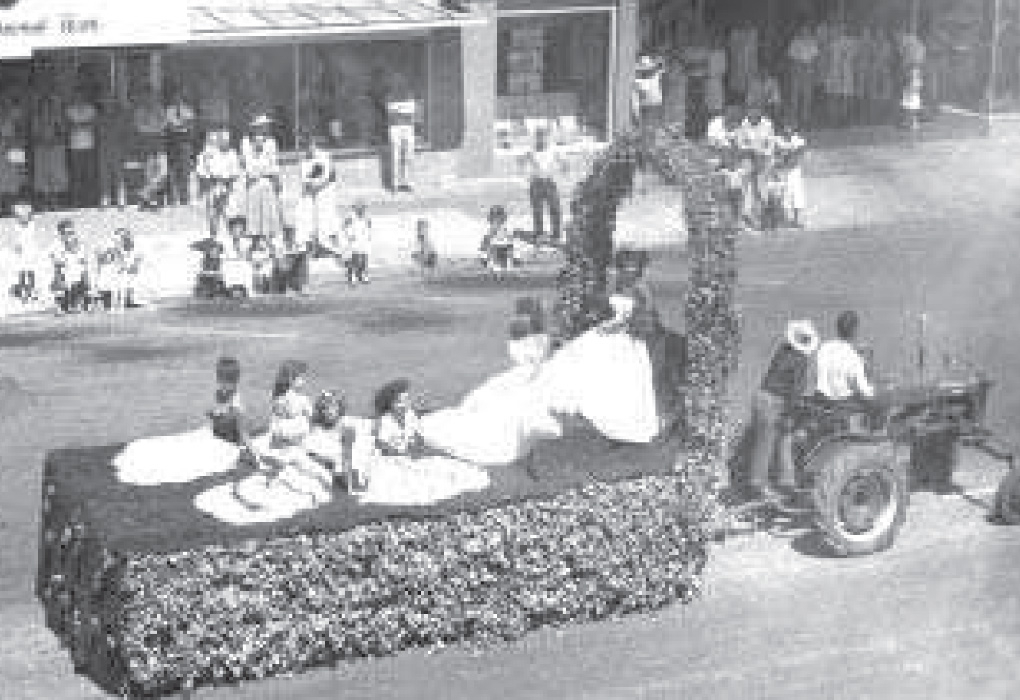
For decades, Grape Day has been a cherished celebration in the Escondido community. With the exception of a pause during World War II, the festival continued to grow in popularity through the 1950s. At its height in the 1940s, the festivities were so grand that they rivaled the famous parade of the Rose Bowl Parade in nearby Pasadena.
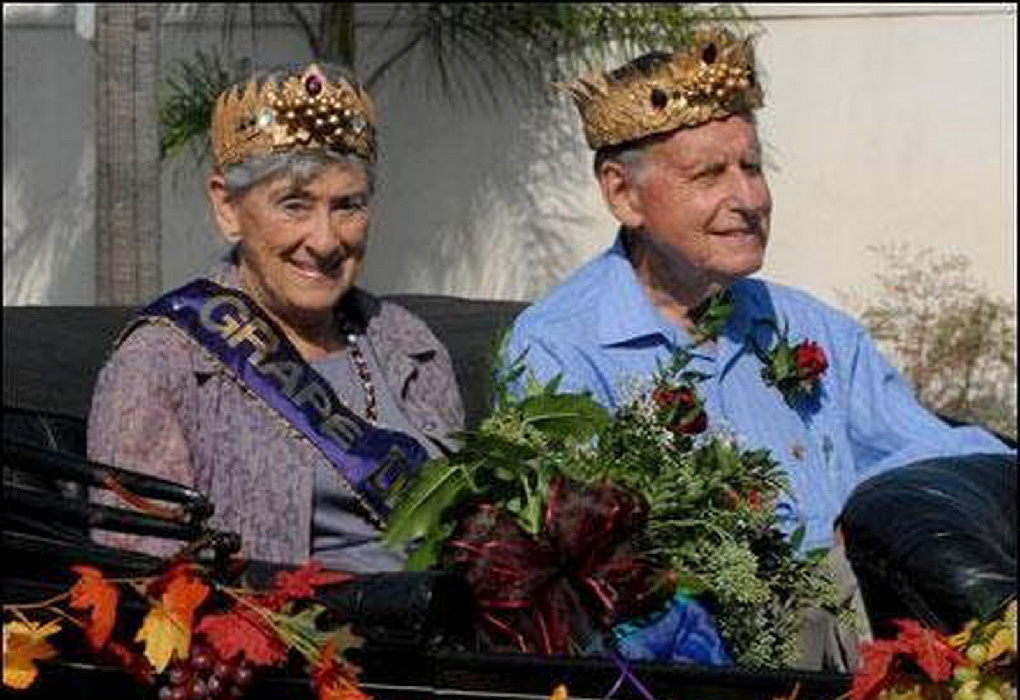
After a period of quiet, the Grape Day Festival was joyfully revived in the 1990s, and once again after the challenges of the COVID-19 pandemic in 2022. Today, Grape Day Festival proudly stands as Escondido’s longest-running tradition.
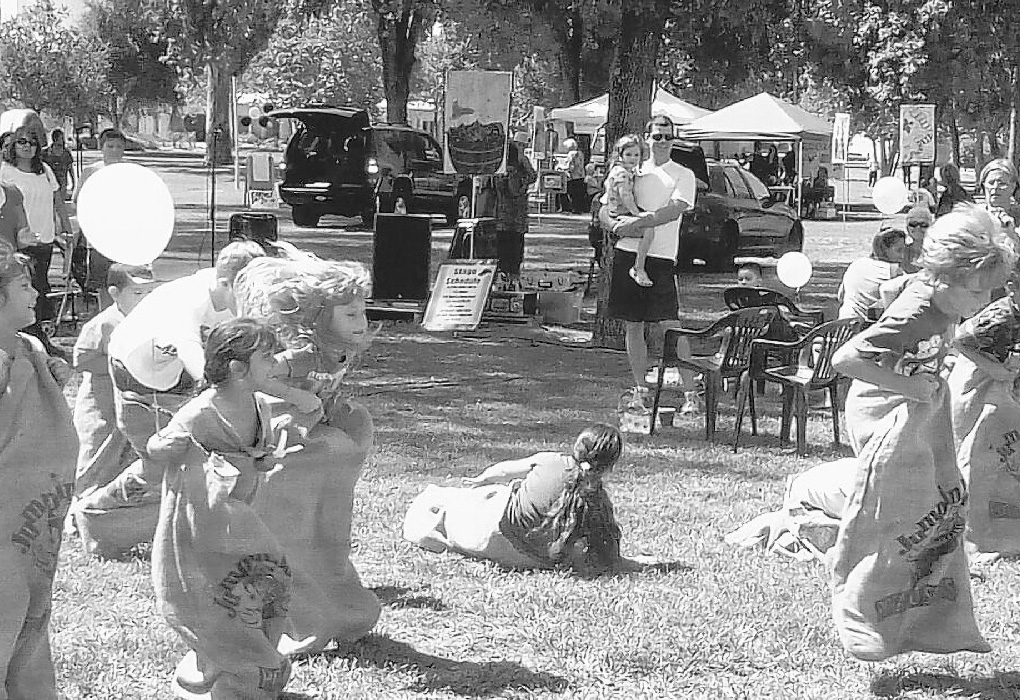
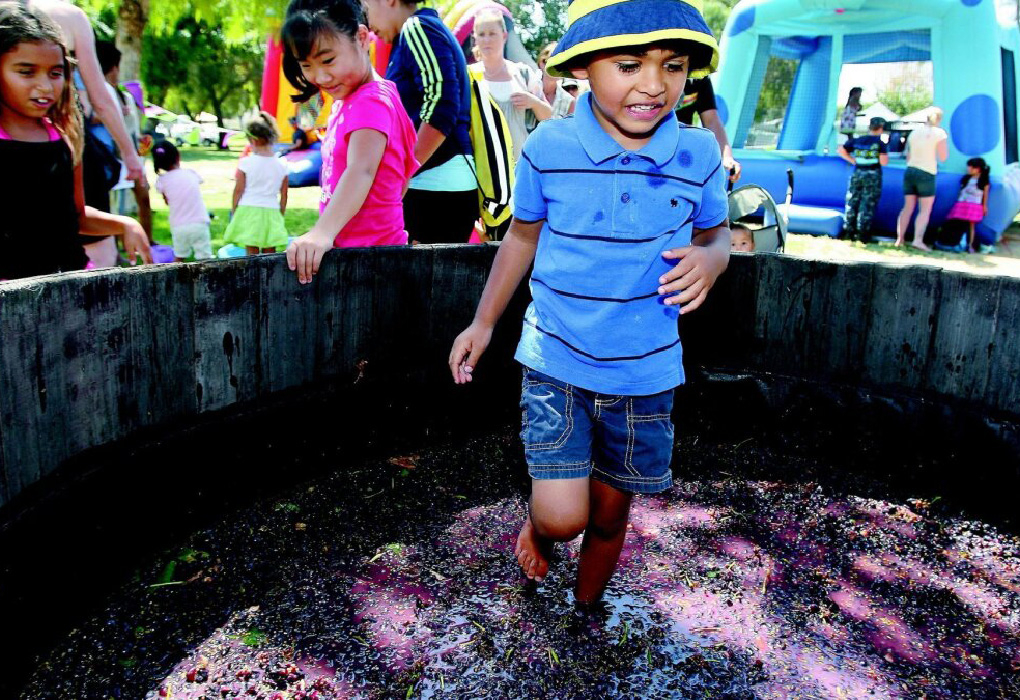
For generations, Escondido families and visitors from across the county have gathered to celebrate the valley’s agricultural roots, enjoy the festivities, and create lasting memories together. We’re proud to continue this tradition, and we hope you’ll join us and become part of the story.
Learn more about the history of Grape Day Festival here.
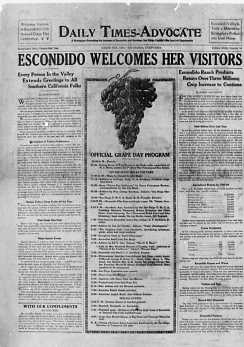
Front Page of Times Advocate, 1934
Grape was King
In Escondido’s early days, the Muskat grape quickly became the valley’s most important crop. This hardy variety flourished in a Mediterranean climate much like that of Southern California, where warm sunshine and gentle coastal breezes created ideal growing conditions.
Just as importantly, Muskat grapes required very little water to grow and thrive—an invaluable trait in a young town where water was often scarce. Because of this resilience, vineyards spread across the valley, and the Muskat grape helped shape Escondido’s agricultural identity and early prosperity, therefore becoming the namesake of the Grape Day Festival!
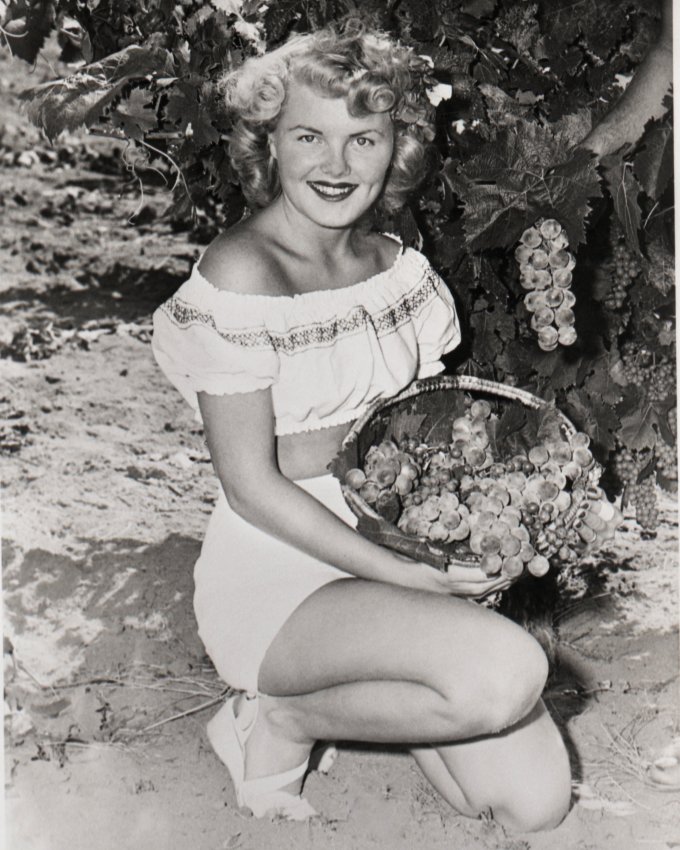
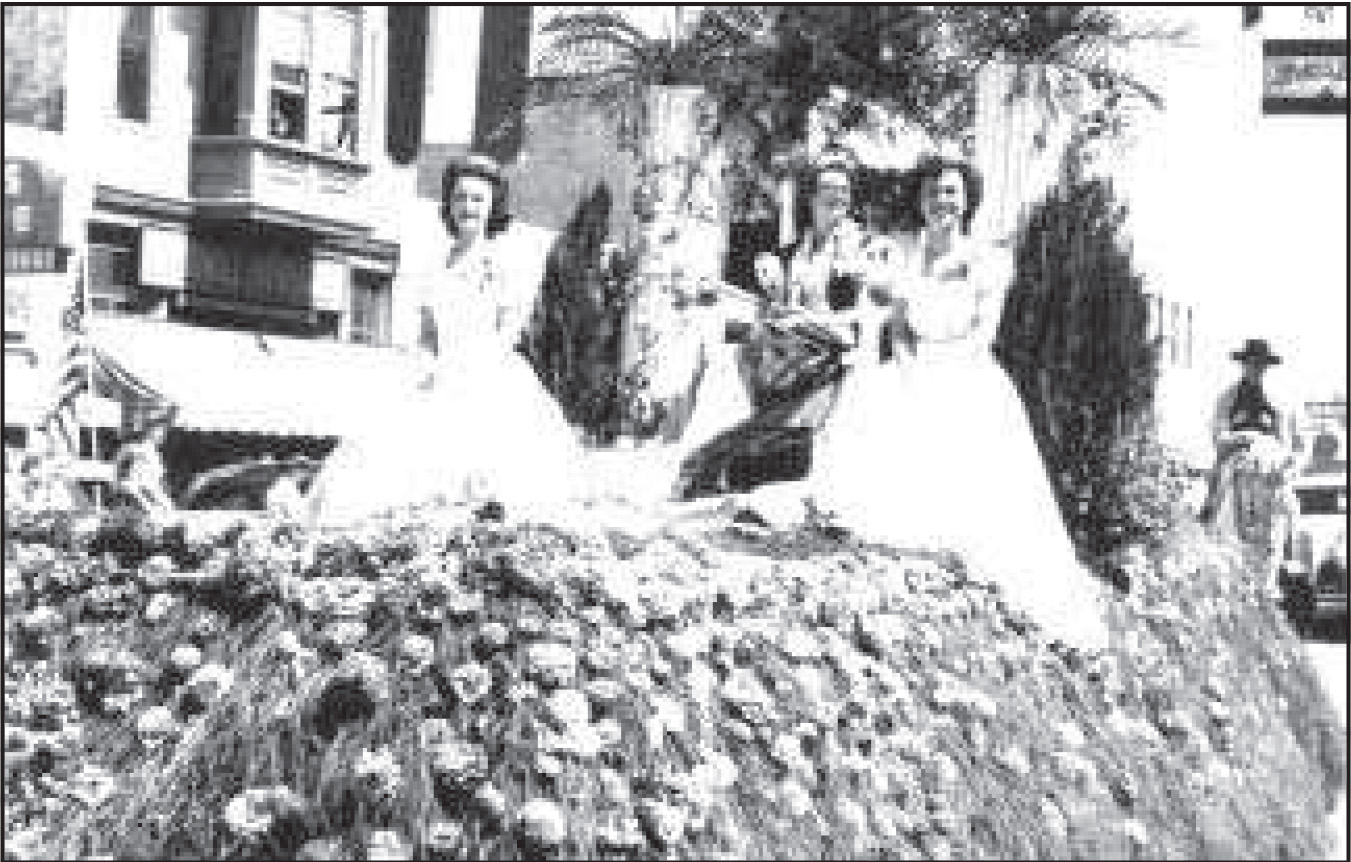
Grape Day Queen canidate sits with a basket of grapes, 1947